
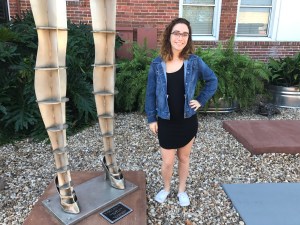
 As a senior who hadn’t been on the staff in the past, I had no idea what to expect going in. I had friends on the staff in the past and knew about blind readings and all that stuff that goes with literary magazines but I had no idea what I could contribute to Elan. I always thought to myself- what was my role?
Once I got assigned art editor I knew it was the perfect role for me. Everything I had always done in my writing time had been centered around art. I loved seeing weird, abstract things and shaping them into a disgusting, gruesome poem. Or seeing something so beautiful and big that it encouraged me to share whatever story I had myself. Art has been my biggest inspiration for my work because of the complexities and the way people bend the rules to art so frequently. Because of this, my time as an art editor has been greatly enhanced. I loved seeing submissions come in that were so beautiful and eye-catching but also carried such deep meaning, whether it be in context with a writing piece or not. The thing about Elan art is that all the pieces stand out on their own and almost don’t need explanation.
As a writer, my own work, as I said, had already been greatly influenced by art. Elan gave me that accessibility into a world I never even knew about. We managed events that involved heavy discussion with art liaisons where we learned about their world and ours. I learned so much individually about how art is managed and all the requirements they have to meet and their creative thought process as well. It was incredibly inspiring to see kids working on the Coffeehouse mural, for example, and see how they took a small sketch and turned it into this big, beautiful mural despite everyday life struggles and only a two week deadline. It helped make me crack down on my writing and push through during the hard times.
As a student, Elan has taught me many things that I definitely could take with me into the future. It’s really taught me about the value of team work and doing things on time. Elan was probably one of the only classes I would try and be as on time with assignments as possible. I knew if I didn’t get something in on time that I was jeopardizing other people’s roles and responsibilities and making the book process slower. Nothing was ever rushed but it was important to have the respect for one another to get things on time.
It also taught me that hard work pays off. During my year on the staff, I have seen beautiful events take place from homecoming to Yellowhouse that have really blown me away. Walking through Yellowhouse and seeing all the art and writing that everyone put together and laid out into a physical book was pretty jaw dropping. Not to mention everything that was student led and put together. Elan teaches you that even when you’re working hard you know you’re going to see a beautiful end result.
– Natalie Filaroski, Senior Art Editor
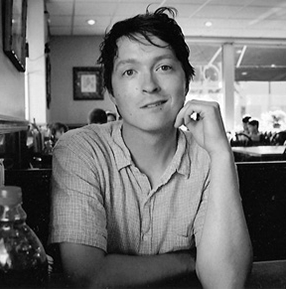 At the start of my freshman year of high school, I did not know how to write. I knew that I wanted to write, and I knew that I had a lot to say, but I hadn’t quite figured out how to articulate any of it. The poem that changed all of that for me was “Killing Flies” by Michael Dickman. I stumbled upon it by chance, and I was immediately captivated. The opening lines grabbed me and pulled me into a situation that I had never come close to experiencing, but that I somehow felt incredibly connected to
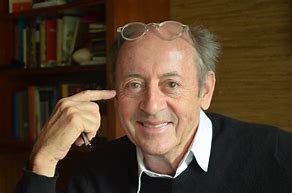 Billy Collins has always been on of my biggest inspirations as a poet. I discovered in my freshman year of highschool and at first I didn’t really like him. Actually, I didn’t really like any poets but I remember one Christmas morning my grandpa handed me a small stack of poetry books. He told me he knew I was having trouble with my poetry and he saw these at a garage sale for a few dollars and thought they might help. Stuck in between Robert Hass and Yeats was a book by Collins. I think the cover attracted me more than the actual poetry did.
 elanlitmag.org