
 Shifting into this awkward phase where I’m beginning to think about adult things like constantly being aware of money, yet I still laugh about the scribbling in the bathroom stalls is torture. I mean, that sounds really angsty, but it really is. I’m really disappointed nobody told me that all those high school movies are completely inaccurate, like me looking twenty seven at sixteen and definitely having my license by now (I don’t even have my permit).
It’s reassuring as all my peers are going through the same thing too, the constant emails from all these colleges and the mail from universities I’ll never be able to even imagine paying for. Then there’s the part where I get to laugh with them about dorm life and dating all over campus and no parents!
And then sometimes there’s those moments where I can’t help but feel absolutely alone when I’m looking at SAT and ACT registrations and when I’m wishing that my PSAT score was a little higher to offer some form of reconciliation. Mom of course says it’s natural to have these fears and I’ll get through it but constantly drowning (or more so flailing in open waters). Sometimes a boat will come by, offer help, and sometimes I’m an idiot and say no, and watch the boat fly off across the sea into the horizon. Sometimes boats ignore me, and then every now and again a boat stops and I’m not stupid and climb on.
It’s strange planning campus tour dates and taking virtual tours of dorms, trying to decide the rest of my life. I know all adults are like: you still have time, but cut the crap, we really don’t. It’s like, college is probably going to be some of the best moments of my life, but if I mess it up, then it’s a huge blight looming over my life and you can’t get re-dos, just, I’ll try to clean up the mess.
I’m just hoping I’ll get some awesome scholarships, and maybe a school will really want me to come to their school and debt won’t be a problem. I just want to get a job I love and pays amazing, but doesn’t everyone want that? Well, some people don’t but most people want that, and it’s in the form of that false American Dream or whatever people want to call it. But maybe, this end to my childhood, isn’t the end of me.
-Kiara Ivey, Junior Layout & Design Editor
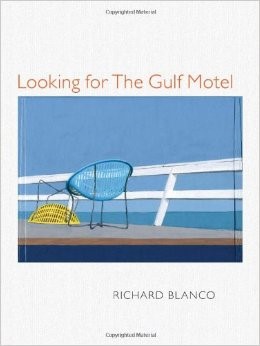 As I lay curled up in an armchair reading Richard Blanco’s third book Looking for the Gulf Motel, I was struck by his diversity and approach. In my personal life, when my writing suddenly shifted towards interactions with my father and references to Mexican culture- I housed a fear that I would be pigeon holed. Surely no one wanted to read ten poems all dealing with my father, and italicized Spanish words. However, words like chiles and tortilla popped up again and again, along with whole lines of dialogue in Spanish.
 Man is not only made of skin, flesh and bones, but also of personal history. What influences someone to grow and shape himself or herself into the person they wish to be, is heavily affected by their experiences. Each of us has a story, some tragic and emotional, some simple, all equally as impactful.
 elanlitmag.org