
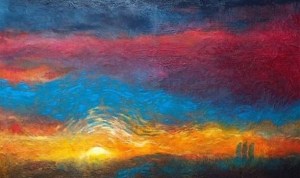
 One of my favorite art pieces from the Fall 2017 edition of Elan is “Tranquility” by Kaylin Hillman. Coincidentally, it happens to be the first piece of the art in the book, which I think was a great choice. This piece is generally a very visually appealing one, especially with the blend of colors, but I think it represents much more than that as well. This piece is important to the current events going on throughout the world, all rooted to the connection of humans. There are so many human rights movements and huge decisions being made in the community right now that I think this was a perfect piece to be accepted into this issue.
All of the artwork in our current issue is astounding, but I connected to “Tranquility” immediately, which I think is a huge part of the piece and its message, the universality. The first thing I noticed was the colors, and how beautifully they blend together. The pastel colors stand out against the dark background and caught my eye. After that, I took in the message of the piece and the way the people have come together as one, no matter how different they are. Because this book deals with posing a lot of questions about humanity and ourselves, this was the perfect piece to open with because it visually offers the ideas that are laced throughout the issue.
Another reason I really liked this piece is because it literally brought a sense of calm and tranquility over me. A part of this is definitely because of how aesthetically pleasing it is, but another part was also because it made me think about my own life and the actions I take. Instead of being hateful or avoiding problems that don’t pertain to me, it’s important to speak up and act. As shown in the piece, we can come together peacefully and create beauty. The color of the two-people’s skin may be different, but the shades laced throughout their skin are the same, their shape and bodies are both the same and living. They both exist and in peace. Even if I don’t speak up act, it’s still important to connect with others and be there for people, because we’re all human and need someone from time to time.
This piece is a great representation of Elan. Not only does it represent the work and vast spectrum of what is published, it also shows the people who create the work published. Elan publishes work from all over the world, who create art and writing that differ in many ways. This piece shows a bit into the diversity and range of people published throughout the years of Elan, whether that be the artists themselves or the people found in the artwork. I think this piece is a beautiful mixture of Elan’s current mission and goal as a publication, and what it strives to grow to be.
–Kinley Dozier, Senior Managing Editor
 As artists, it’s easy to get stuck in a rut of our own art form, and forget to look at the other ways people can express themselves. An aspiring actor might go to plays, but never visit any art museums. A filmmaker could attend dozens of movie premiers but never pick up a novel. Sometimes, the best cure for stasis in our own art form isn’t to continue to immerse ourselves in it. The best cure can be to remove ourselves completely, and experience artwork that’s completely different.
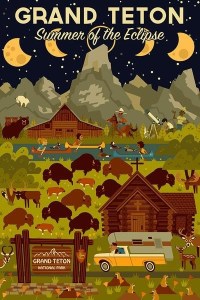 Recently published in the Fall 2017 edition was “Crossings”, a story by Douglas Anderson writer Rafael Pursley. This whole edition, in particular, had a number of pieces which struck me deeply for their power in creating and enlivening images, bridging an emotional gap between the natural world around the more interior, personal conflicts. As an artist with a passion for science, particularly environmental and natural disciplines, I was thrilled to see such pieces filter through our reading process. “Crossings”, in particular, manages to sum up the distance, the closeness, the power of the natural world on our human lives often deemed entirely separate.
 elanlitmag.org