Becoming the Storyteller

jordan bp fictionWe learn the art of storytelling as children. We embellish our experiences, come up with new ones, more interesting stories to tell. This is not to be confused with lying, a not entirely separate art we master in the same time frame. Lying and storytelling serve different purposes, the latter definitely a more celebrated craft, and more enjoyable to be ensnared in.

The beauty of a story is that there is no one way to tell it, and it does not have to be your own. In reading and writing, I prefer the story behind a poem to a narrative in fiction. Longer pieces have more room to develop setting, characters, and so on through scenes. That can be done beautifully and uniquely with perspective, narrative voice, dialogue. But in poetry, the detail in describing a moment can tell a story just as vividly in a few words. I feel like there is more room for interpretation, and just enough is given to you to make the experience resonant. There is the opportunity to decide on backstory, character motivations, etc in either genre, but I feel like poetry allows the reader to feel more connected to the story. The reader becomes the storyteller to fill in the missing pieces.

I love the escapist quality of reading fiction, which is not always attainable with poetry, when the described experience becomes your own. Writing fiction remains a challenge for me since I’m so used to seeing the story in a moment. It’s hard to step back and create something full in a less confined space.

-Jordan Jacob, Junior Editor-in-Chief
Writing Like Me

james-baldwin-the-fire-next-timeAuthenticity: n. The quality of being authentic; genuineness

On my first day of Senior Fiction, my teacher asked me to write down my personal definition of this word. For a Monday, starting my final semester as a senior in high school, I thought this was pretty heavy duty thinking. But after sitting at my computer, watching my cursor disappear and reappear a million –well, more like seventeen- times.

To me, being authentic is what babies are: one-hundred percent human, one-hundred percent embedded in their emotions—what they feel precisely in a singular moment— and completely uninhibited by what others do. If a baby wants to cry, no amount of food or rocking or begging on one knee will stop them from being heard. That’s what telling an authentic story is like to me.

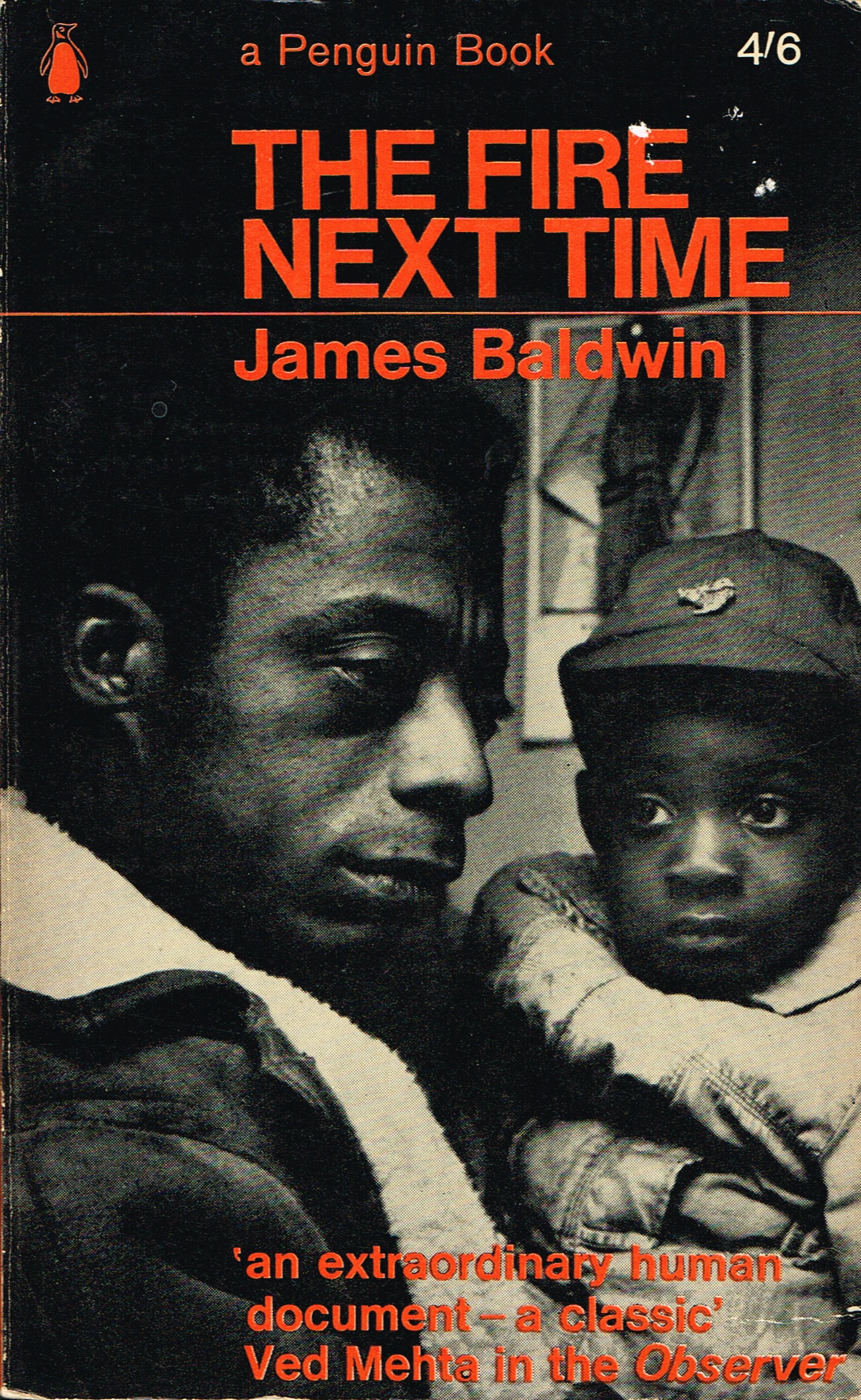
While reading James Baldwin’s The Fire Next Time, I found myself fluctuating between two extreme emotions: awe (the man is a philosophical genius and an incredible wordsmith) and a high level of uncomfort. One of my favorite quotes from this book is “The person who distrusts himself has no touchstone for reality—for this touchstone can be only oneself.” It is always my greatest fear that I won’t tell a story honest, that I’ll sugarcoat a character or over exaggerate the plot.

Doubt is the number one killer of good writing and after four years of trying to find my own voice in my writing I completely understand why. To doubt your writing is to, by extension, doubt a part of yourself. There is no greater justice to telling a story than by telling it how you see fit for it to be told, and this is the best way to be sure that you will be proud of what you produce. To be authentic is tell all parts of a story— the beautiful, the ugly, the stuff your mother should never know about.

And in the end, that— the moment when you no longer fear what your voice has to say— is one of the most defining moment of a writers’ life.

-Shamiya Anderson, Nonfiction Editor 

What We Love

February is a month set aside in remembrance. It is a month to remember historical leaders of the past, and to remember those we love. It is a month of showing passion about the things for which we care. Check out this month’s Vlog, where the Elan staff tells you just a few things that they love. What are some things that you love? Is it writing, like us? Or something else entirely?