
 It’s the beginning of the new year and that means we at Elan have begun our preparations for the Douglas Anderson Writers’ Festival. We’ve been collecting excerpts from our distinguished guest writers and posting these with their biographies on the Festival website, dawritersfest.com.
All of the reading I’ve been doing for the Festival excites me, as it does all of my peers, all of my teachers. Reading the work of a new writer is always exciting, but it’s even more exciting when you know that the writer is coming to your school and reading the same pieces to you, discussing how they were written and how you can write better. It reminds us that the Writers’ Festival is part of a great tradition that generations of Creative Writers have taken part in. Margaret Atwood, Joyce Carol-Oates, Billy Collins, and Richard Ford have all been keynote speakers in past festivals, and now we have the privilege to hear from more amazing writers.
For the first time in Festival history, we have two keynote speakers—the nationally recognized educator and novelist Ron Carlson and President Obama’s own inaugural poet, Richard Blanco. We’ve entered a new era of the Festival, where we’re big enough to expand the stage for speakers.
I am reaching the end of my time at DA, but I am able to be part of the Writers’ Festival this one time, and being part of its beginning is almost enough to make up for the pain of leaving it all behind.
-Jacob Dvorak, Senior Fiction Editor
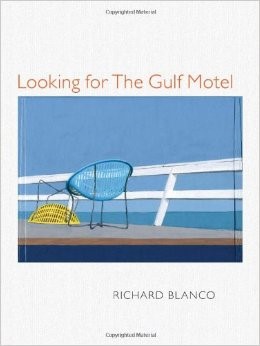 As I lay curled up in an armchair reading Richard Blanco’s third book Looking for the Gulf Motel, I was struck by his diversity and approach. In my personal life, when my writing suddenly shifted towards interactions with my father and references to Mexican culture- I housed a fear that I would be pigeon holed. Surely no one wanted to read ten poems all dealing with my father, and italicized Spanish words. However, words like chiles and tortilla popped up again and again, along with whole lines of dialogue in Spanish.
 I never fully understood the meaning of community until I came to Douglas Anderson to study creative writing. Previously, I’d attended an arts middle school for theater, where I found life-long friends and transformed from a shy writer churning out pages and pages of fiction in her free time to a boisterous, enthusiastic performer carrying polished monologues under her belt. I auditioned for both theater and creative writing for Douglas Anderson—the first only to see if I’d get in, and the second with the actual desperate hope of getting in. After being accepted for both, I was forced to make an important decision I’d already subconsciously made years before. Because writing holds much more significance to my personal growth and future, I chose writing.
 elanlitmag.org