
Èlan Literary Magazine is celebrating its 30th Anniversary. In honor of our longevity we are posting work from our editorial staff alumnus, which includes biographies, Q&A’s, and excerpts of their pieces.
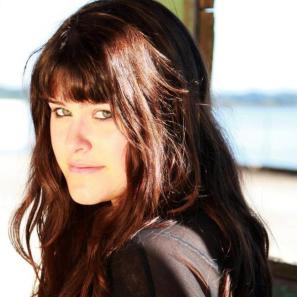 Jenn Carter graduated from Douglas Anderson School of the Arts in 2013. She is currently a double major in Theater and Creative Writing at Florida State University and will be graduating Summer 2016. Her play Missouri Hymns opens as a part of FSU School of Theater’s original works festival New Horizons this spring. This play stages poetry in a unique immersive theatrical experience. After graduating she plans on continuing to research how poetry blends and transforms when paired with other artistic mediums, especially theater. She awaits to hear back from many MFA programs, and has currently been accepted into Episcopal Service Corp in Washington, DC.
How did your experience at DA influence your current artistic development?
It gave me the discipline to endure as an artist in the collegiate world. It gave me a home to fondly look back on, and gave me the strength to continue writing.
| Trailer Park Aubade
(From Èlan 2013) Last night your smile has a yellow haze of “good old days”, the sunset over the drugstore making out by the dumpster, our initials scrawled on the belly of a metal beast fed on empty beer cans.
This morning Stevie lyrics bring back memories beneath barnyard cobwebs. A slow dance to the hum of moths orbiting florescent moons.
You touch my hair, nibble my ear and I I shake you off an indefinite hangover.
We stare out the window. A series of white trailers stand at attention like rusted submarines, and you salute then with your naked frame.
A pink tricycle wheel still spins. A mutt chews Last night’s take out. A patriotic bird house with chipped paint is vacant.
|
Poet’s Drive
(Performed at the Èlan 30th Anniversary Alumni Reading) Anne Sexton says it only matters I’m in a chapel cleaning windows. He doesn’t know Anne Sexton I drive away from his house
I roll down the windows I park my car outside
from my third floor bedroom. I am on repeat driving him home, |
What do you wish someone had told you about the experience of being a creative writer at DA when you were a student? (Think about things you wish you’d appreciated more when you were here that you now realize brought you value).
My teachers always said, “Never again will you have a community quite like this,” and they were right. And I have been a creative writing major at FSU. I hope to be in a poetry MFA program one day. But I was writing with my peers at DA (most of them) since I was eleven. We were learning to read, and write- we were forming what language and art meant to us for literally the first time. And realizing that is key, but something that doesn’t come fully until you have the perspective of leaving.
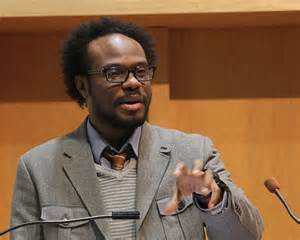 In poetry class my Junior year, we recited poems we found intriguing or moving in order to practice our oral interpretation skills and bring us closer to the work of other poets. Before I knew who Jamaal May was or heard he would be attending Douglas Anderson’s Writer’s Festival, I recited his piece “There are Birds Here,” a piece of his which is dedicated to Detroit. Previously, I read it as a jab to critics who tried to put symbolism and emphasis into every poem they read, but today, understanding who he is as a writer, I see it as him asking people not to sugarcoat what is real and true.
 I’ve always taken change in my life as signals for new beginnings. Just recently, I switched from Junior Poetry to Junior Fiction. At first, I was wary. How dare this get in the way of my poetry! Where shall I get my critiques and inspiration now? Ew, fiction.
 elanlitmag.org