Sometimes, It’s Hard to Walk Away

indexWriting is built on relationships. Writing is composed, constructed, resurrected, and thrown together with a relationship in mind. In literature, readers -myself included- are quick to judge the characters without in depth analysis or benefit of the doubt to the situation unfolding. As readers you place your struggles and the concepts of your own personal relationships into the text, sometimes letting it overshadow the new way of thinking the writer wants you to experience.

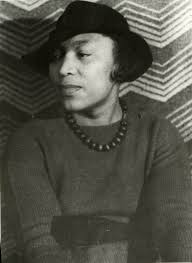
For example, last year, I read the book Their Eyes Were Watching God by Zora Neal Hurston. This book is sewn together with beautiful language as it follows the life of Janie, a mixed race woman in the early 1900s. Though I connected to the strength and determination the main character had the entire time in the book, I couldn’t understand why she stayed married to a man who abused her. Even after reading this book, I weighed the argument that Janie had a nice life married to a pastor but was muted into submission by him. I didn’t understand why she didn’t just pack her stuff and leave. As a senior in high school I have already begun to mentally pack my bags for college and have grown to understand Janie. I’ve learned that even when the front door is open it’s hard to leave the people and the place you’ve called home for so long, that there is a relationship you have to even the drippy faucet you’ll only notice when you’re gone.

As the year progresses I take the idea on relationships Hurston gave her character Janie and now look for it in other stories. Relationships run deep. They don’t need to be subjected to a list of archetypical characters. In the long run, they are really hard to walk away from.

-Chrissy Thelemann, Submissions Editor
On What’s to Come

1392390538DouglasAndersonThe first semester of my senior year has just finished. I will never have another first day of high school, I will never be scared of my school’s mascot -a hideous puffin- at orientation, or be forced to take another Douglas Anderson-style mid-term again. I will also never have another poetry class with Mrs. Melanson, never hear “So, my children…” with a flourish of her hand as she explains just how synesthesia reflects on life as a whole. It’s bittersweet.

I’ve just started Senior Fiction, it is day three and I’m already waiting to see my prose grow the way my poetry did in the semester prior. Writing story starts, reading flash fiction- it feels weird. So far, what I’ve realized is that the most interesting part to every beginning, is the ending it leaves behind.

I first realized just how true this was when I began “Casual Vacancy,” by J.K. Rowling. The story starts when a man dies, and the entire town learns about his death. They feel things about it, their lives are changed by it and new things happen to them through it. The end of a man’s life became the beginning for so many other things. After this realization, I started thinking about other stories I’d read, other myths and parables I’d been taught. Adam and Eve begin life on Earth after their lives as angels end; monarchies are squished to bring forth republics, if Hester Prynne is going to raise her child, her good reputation and even her infatuation with the baby’s father has to be over. Sometimes good endings lead to bad beginnings, and sometimes it takes a little tragedy to bring the dawn in.

I’ve often thought about being a history teacher after school, and with that idea in mind, it’s really hard for me to “leave the past in the past.” We, of course, shouldn’t hold onto the past, we should grow from where we’ve come. But at the same time, as we start a new year, a new semester or job or relationship or short story, I think it’s important to reflect on where we -or the character’s we’re writing about- have come from. It’s important to know how all of the things that are constantly ending, relate with what’s to come.

-Savannah Thanscheidt, Web Editor  

I Go To Music

Rey BP pic 1In the beginning was the word. And that word was very heavy, full of life and anguish. The word was existence but also the end of being. The word carried nations and dropped kings with the same move. The word embodied imagination, making us gods over the realms that we produce. So, in the beginning of my creating process, of becoming the god to a world that may exist solely by my observation, I listen to music. It starts from a random rhythm. Either it pumps my pulse up, to meet its tempo, or it drags my heart beat down, to drown me in what it wants to convey. Either way, I go to music before placing finger to keyboard (because there’s no pen to paper nowadays).

I really can’t get into my writing without this overlaying, outside shroud that the harmonies become. I find the right song or playlist that carries the emotion that I need for the piece- whether it’s a raging rock album or soft, liquid dubstep mix. Then I follow the strongest feeling back to its home inside of me (usually in the gut area) and try to pull it out onto the page. I imagine the scenario and everything that is happening in order to mold the experience for everyone to feel. Either that or I know what emotional experience I want to convey already and I use the music as an enhancer to help myself become caught up in that emotion enough to find some kind of words to describe it. I never go in anticipating a masterpiece or a message to the world. I just go in wanting to say what I’m thinking or feeling. This allows me, for the most part, to get out whatever it is. After that, well that’s not the beginning. That’s the rising action and it varies by how I feel. For the most part though, I’m satisfied with myself for bringing this thing into existence.

-Rey Mullennix, Fiction Editor