
 I’ve always taken change in my life as signals for new beginnings. Just recently, I switched from Junior Poetry to Junior Fiction. At first, I was wary. How dare this get in the way of my poetry! Where shall I get my critiques and inspiration now? Ew, fiction.
At the beginning of junior year, I held the same mindset towards Junior Poetry. I thought, how dare this get in the way of my fiction! Where shall I get my inspiration now? Ew, poetry. You see, I ended sophomore year with poetry, and I wanted a chance to revisit fiction after half a year. I knew I was rusty with fiction, which is why I was eager to come back to it. To me, my poetry was fine enough. Oh, how wrong I was.
It took one day of Junior Poetry to revitalize me. One class period, one homework assignment, and one talented teacher for me to say, “Yes, poetry!” I was immersed. I shaped my poetry into a narrative style, and improved my skills on descriptive implication and developing speakers and settings. I gave and received critiques, and actually enjoyed the process. Lessons further tightened my grasp on poetic forms and structures, and I had plenty of opportunities to try out my brand new knowledge.
So of course, I came to my senses after a few minutes. Fiction will offer the same enlightenment that Junior Poetry did. I have an equally-talented teacher, and lessons which are just as useful waiting for me. Soon I’ll write fiction portfolios and develop my dialogue skills, and practice on interweaving setting, plot, and character. I’m ready to switch gears, but that doesn’t mean my poetic skills will languish for the rest of the year.
-Seth Gozar, Junior Fiction Editor
 It’s the beginning of the new year and that means we at Elan have begun our preparations for the Douglas Anderson Writers’ Festival. We’ve been collecting excerpts from our distinguished guest writers and posting these with their biographies on the Festival website, dawritersfest.com.
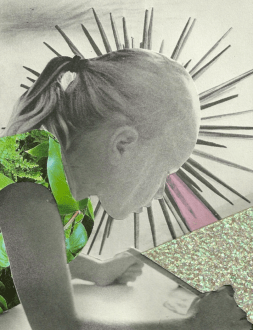 I never fully understood the meaning of community until I came to Douglas Anderson to study creative writing. Previously, I’d attended an arts middle school for theater, where I found life-long friends and transformed from a shy writer churning out pages and pages of fiction in her free time to a boisterous, enthusiastic performer carrying polished monologues under her belt. I auditioned for both theater and creative writing for Douglas Anderson—the first only to see if I’d get in, and the second with the actual desperate hope of getting in. After being accepted for both, I was forced to make an important decision I’d already subconsciously made years before. Because writing holds much more significance to my personal growth and future, I chose writing.
 elanlitmag.org