Poetry

cover-65-54c54763e0833Poetry has always marveled me with its ability to craft words together and create magic on a page. The power present in and between words, hidden in the white space and embedded in the title astonishes me every time. I have found strength in the confined space of a poem, and this art form has taught me more lessons than simply what is seen on the page.

Enjambment helped me overcome boundaries. Forced me to take leaps and surprise myself. Titles taught me to take control. Meter gave me a voice in its melody. Listening to my whispers amidst the commotion of life. Hyperboles warned me not to take things too seriously. Metaphors took me deeper. Forced me to understand all sides of a story. Taught me to explore the mind. Ambiguity allowed me to keep things to myself, to have secrets. Symbolism changed the way I viewed minuscule details. Suddenly nothing felt insignificant. Imagery gave me colors and instructed me to paint. Images awakened my world. Sensory details found their way around my body, hiding under my tongue and deep in my ears, becoming a part of me.

Poetry has given me a different outlet for expression, one where I challenge myself to understand my own perceptions. It has pushed me to understand the origins, implications and the underlying details. Poetry has transformed my process of thinking and has inevitably affected the way I respond to the world.

For the beauty it holds, and the power it has given me, I am incredibly grateful for the art of poetry.

-Briana Lopez, Junior Social Media Editor 
Writing Like Me

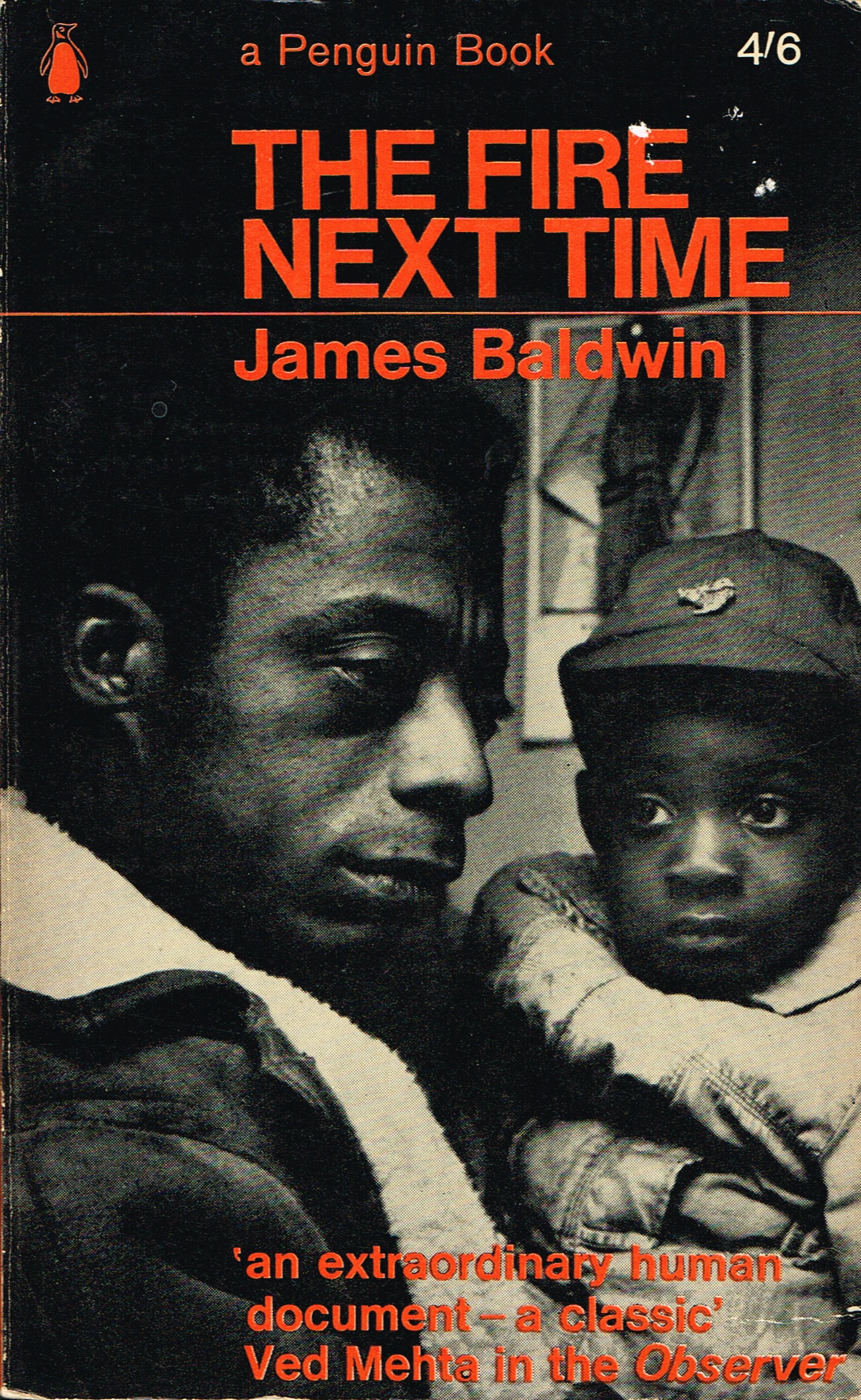
james-baldwin-the-fire-next-timeAuthenticity: n. The quality of being authentic; genuineness

On my first day of Senior Fiction, my teacher asked me to write down my personal definition of this word. For a Monday, starting my final semester as a senior in high school, I thought this was pretty heavy duty thinking. But after sitting at my computer, watching my cursor disappear and reappear a million –well, more like seventeen- times.

To me, being authentic is what babies are: one-hundred percent human, one-hundred percent embedded in their emotions—what they feel precisely in a singular moment— and completely uninhibited by what others do. If a baby wants to cry, no amount of food or rocking or begging on one knee will stop them from being heard. That’s what telling an authentic story is like to me.

While reading James Baldwin’s The Fire Next Time, I found myself fluctuating between two extreme emotions: awe (the man is a philosophical genius and an incredible wordsmith) and a high level of uncomfort. One of my favorite quotes from this book is “The person who distrusts himself has no touchstone for reality—for this touchstone can be only oneself.” It is always my greatest fear that I won’t tell a story honest, that I’ll sugarcoat a character or over exaggerate the plot.

Doubt is the number one killer of good writing and after four years of trying to find my own voice in my writing I completely understand why. To doubt your writing is to, by extension, doubt a part of yourself. There is no greater justice to telling a story than by telling it how you see fit for it to be told, and this is the best way to be sure that you will be proud of what you produce. To be authentic is tell all parts of a story— the beautiful, the ugly, the stuff your mother should never know about.

And in the end, that— the moment when you no longer fear what your voice has to say— is one of the most defining moment of a writers’ life.

-Shamiya Anderson, Nonfiction Editor 

Writer-ly Relationships

writers-blockDA’s writing department flourishes a plethora of interesting relationships. We spend four years getting into small groups and dissecting each other’s personal writing. As each year progresses, said writing blossoms into embodiments of the writer. We learn to pull inspiration and authenticity from our actual lives. Then, we go to class and sit idly by while class members peer into a sliver of who we are. On the page this calls to be a highly intimate experience. Yet over these years, I’ve watched us all leave the writing classroom and hardly even share eye contact. On the page, it would seem that these people reading into my life would be the closest friends. Writers, though, don’t follow societal norms. We have to go against the grain.

Instead, we writers associate in more subtle ways. We all walk around on campus as if a part of a secret society. As if we’re all too busy being the quiet observer in the corner -pooling ideas for the next short story- to acknowledge one another. Whenever I’d pass by a fellow writer, my lips would give a small smile accompanied by a quick head nod. This year, I’ve greatly stepped out of my comfort zone. Writing has taught me that nothing is learned if risks aren’t taken. Maybe it’s senior year blues, maybe nostalgia, but I’ve put in a lot more effort to form an actual relationship with these incredible people. Not a single trace of regret has surfaced since.

In the coming months, we’ll all go our separate ways. Inevitability at its finest. But these unique perspectives that I’ve sat beside for the last four years aren’t about to leave. As I continue pursuing writing, I’ll always refer to my original, and most cherished critics.

-Mariah Abshire, Editor- in- Chief