All you need is prose! (and poetry)

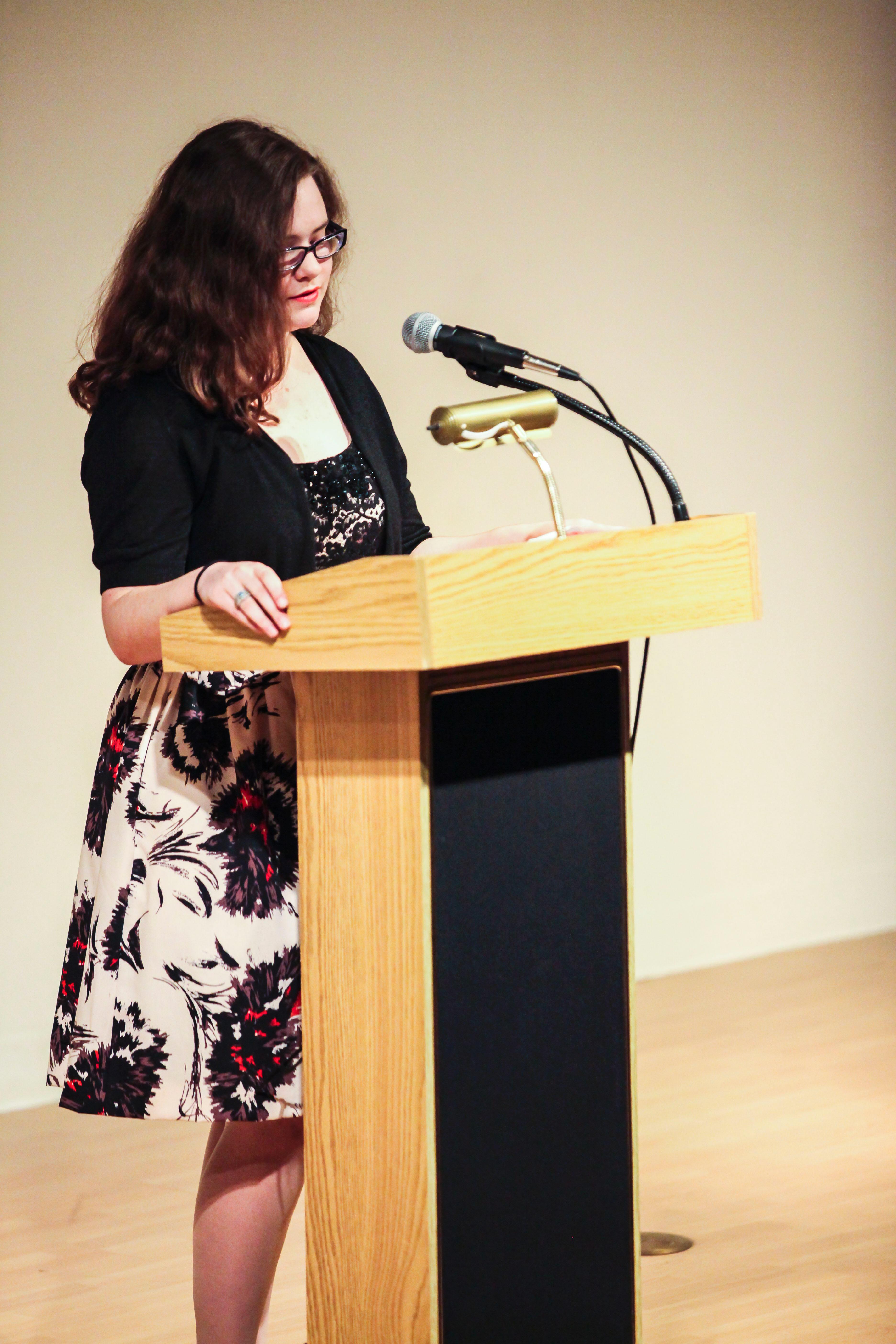
Senior Reading at the Museum of Contemporary Arts, Jacksonville.

Sarah Buckman at the Senior Public Reading. Hosted by the Museum of Contemporary Arts, Jacksonville.

Right now, I am in poetry mode. In school (and at home), I am still writing poetry about weather and what people have lost, and to be honest, it can be really hard to translate that into “fiction mode.” It’s harder than it seems to switch from line breaks and meaningful pauses to paragraphs and key words. But the key to doing anything is practice. My advice would be to write prose poetry if you are having trouble connecting back to fiction. A prose poem is a poem in all aspects, except it looks exactly like a prose piece. This can be very helpful, as the form of the poem can help stir your mind about “past fictional experiences.” Sometimes just seeing a poem in the form of fiction can help to move that block in your head that’s screaming “Poetry, give me Poetry!” This is a really effective way to change your view on prose. You can still use some poetic technique in fiction. Imagery? That is what keeps fiction going, and don’t even get me started on characterization. Another method to get into fiction mode: read fiction. It sounds simple and it is! Anyone who wants to be better in their craft should read what the professionals write. It just makes sense to read a piece by one of the masters if you want to be a master one day too. So go out and read some fiction. Search a topic that interests you and find a piece that is about that topic. Or find your favorite fiction writer and read their work. What you want to do is immerse yourself in what you are writing. If you always have trouble with plot in your fiction writing, read an author who has great plot technique. By immersing yourself in the classics, you will find your writing getting better over time. So to review, write some prose poetry to help your brain get into the fiction mindset, and read fiction! Once you immerse yourself in the world of fiction, you may just find it hard to leave!

– Sarah Buckman, Editor-in-chief
Kid of A Thousand Careers

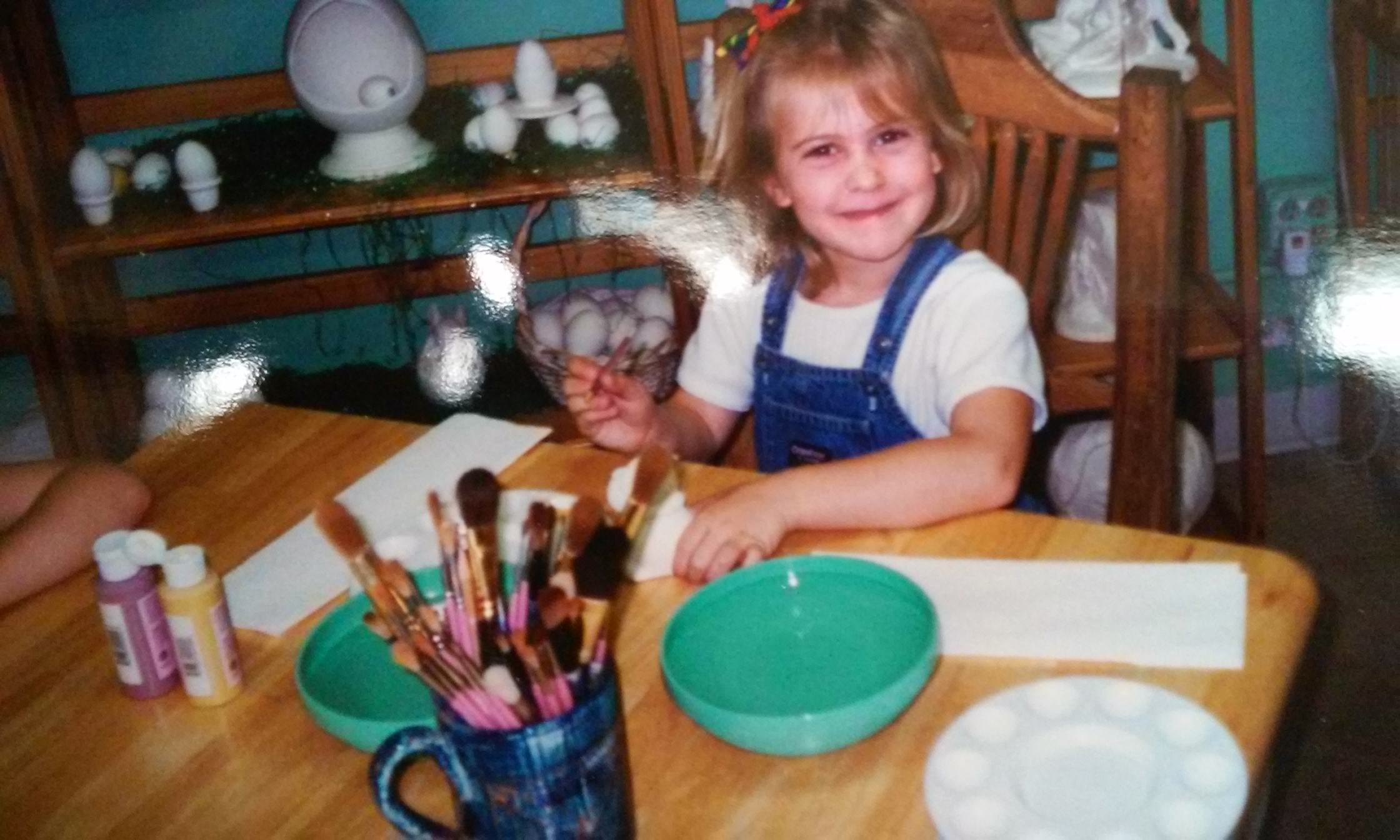
Chrissy 1I was a kid of a thousand careers. Growing up I pretended to be every job imaginable. I tried my hand being a gardener, tending to the over grown flowers beds in my front yard.  I took the role of a priest, breaking half a loaf of wonder bread and giving out swigs of apple juice to my small pretend congregation. I used my mother’s old college text books and scribbled on a chalk board pretending to be a teacher to my stuffed animals. I was a nurse checking the blood pressure, listening to hearts, and administering shots to any willing patients. But eventually I traded these imaginative days with academic classes and hours of homework.

As I go through senior year with the illuminating expiration date of my time at Douglas Anderson flashing over head I feel pressured to have it all figured out. The biggest thing that I feel compelled to have mapped out before I graduate is what career path I want to chain myself to for the rest of my life. But in these dwindling hours of high school I draw inspiration from my childhood and how I would get caught up in a whirl wind of imagination filled passion. Through the fog of stress that is senior year I see my childhood imagination as a beacon of light guiding me through the never ending pages of college applications, numerous activates, and the dwindling  year.

-Chrissy Thelemann, Submissions Editor 

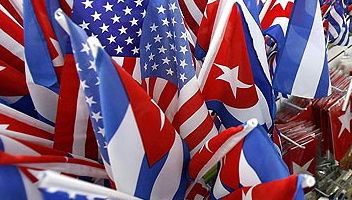
Hispanic American?

Courtesy: havanatimes.org

I have read countless quotes, excerpts, and lines of poetry that have inspired me. But, no line of poetry, no paragraph from a fiction piece, no “quote of the day” has ever resonated with me the way Richard Blanco’s poem, “América,” did.

This poem discusses a Cuban family’s struggle with balancing, and accepting two cultures. I have a strong attachment to this idea because I often find myself in the same situation. I, like the characters in Blanco’s poem, am Hispanic. My mother was born in La Habana, Cuba, and my father in Fajardo, Puerto Rico. I was born in Jacksonville, as an American, but my parents raised me with their Hispanic customs. We celebrate Hispanic holidays like Three Kings Day and Hispanic Heritage Month the same way Americans celebrated Veterans Day, and Martin Luther King Jr. Day. But we never celebrated them both. It was either Veterans day, or Hispanic Heritage month.

As I got older I began to reflect on my past and realized the significance in all of these differences. I began expressing interest in learning about my background as an American Citizen. I’d spend my entire childhood embracing the Hispanic side of me, so I never got the chance to explore the American. My family soon tried to adopt the beliefs. Simple things like having turkey on Thanksgiving, and putting American Flags on our lawn during Veterans Day. Studying American history and culture in so much detail that it became engrained within us in the same way Hispanic culture was. After this period of self-discovery, I realized that balancing both cultures was harder than I thought. My attempts, though genuine, did not feel natural. I could not be only Hispanic or American. I am a Hispanic American, and I’m allowed to be both.

The cultural resonance and applicability of this poem gave me justification in my realization. Blanco expressed to me, with excruciatingly vivid detail that is hard to balance two cultures at once. That it is impossible to rid of my roots. But that it is possible, to learn to accept both cultures for what they are, and how they play a role in my life. This poem completely captivated me and gave me a sense of self-realization that I had never experienced before.

Now, when someone asks me where I’m from, or what I am, I tell him or her, with pride, that I’m a Hispanic American. I embrace my roots and enlighten others about my Hispanic and American heritage, rather than hide it. I now celebrate all holidays not just “the Hispanic way” or “the American way” but both ways. I wear red white and blue to display pride for America, and also for Cuba and Puerto Rico as well. Cuba, Puerto Rico, and America all share the same colors on the flag, and I share all the same colors in the complex, layered concept of my identity.

-Briana Lopez, Junior Social Media Editor

Read it here! Follow the link:

http://www.poetryfoundation.org/poem/245318