
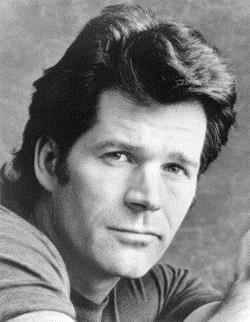
 When I first ordered The Cage Keeper by Andre Dubus III, I wasn’t expecting what appeared on the first page. With a title such as this one, I expected the book to be a linear set of stories about human trials and tribulation. The book opens with a short story called “The Cage Keeper,” which I assumed would be a tale of finding a heart for criminals who were misinterpreted and prejudged. However, I was taken for a complex journey encompassing human interaction, violence, sorrow, loneliness, and desire.
Dubus has a gift for crafting short stories that embody multiple themes without crowding the piece. As an aspiring writer, I enjoy when an author has the ability to open a story and instantly put you into a setting or character mentality. Since Dubus uses strong, authentic imagery, I was fascinated to see this didn’t affect the pacing in a negative way. In my own writing, I typically have a challenge with adding imagery that adds to both pacing and theme. I admire the fact that he could utilize extended metaphors and symbolism to explain such dark and uncomfortable themes. He also uses flashbacks to expand on how or why a character has been placed into bizarre situations when you first start reading the piece. It adds depth and engagement to characters you may have assumed were simply protagonists or antagonists.
Another thing that interests me about Dubus is that his short stories are long, but still keep you invested through the dynamics of the characters he creates. I haven’t come across a character in his stories that is cliché or unforgettable, which is something I’m also attempting to work on as a writer. In the short stories “Mountains” and “The Cage Keeper,” first person narration is used. First person narration is usually a risky point of view to use since it can make your story sound cliché or overtly limited to the perspective of one character. However, in both short stories, this perspective guides the reader through the plot of the story and helps the reader care about every character in the story. In fact, I don’t know that these pieces would have worked in any other point of view since second person would have felt too inclusive, and third person would have felt distant and absurd. First person added a humorous take on the daunting situation of being held hostage in “The Cage Keeper,” and made you laugh even though you knew how serious and dangerous the situation actually was.
Ultimately, I applaud Dubus for the risks he incorporates in his writing. His writing is fluent with societal issues that many of us refuse to acknowledge or act on out of our own fears and guilt. As a reader you become challenged to think about the “what if’s” that are presented in his pieces, whether they are what society deems good or bad. I’m ecstatic to workshop with him during Writers’ Festival and learn about his writing process, how he creates characters that are both engaging and thought provoking.
During senior fiction, I wrote a portfolio from first person narration in hopes of stimulating the reader to engage alongside the character instead of as an observer or a character themselves. I hoped to mimic Dubus’s style of engaging the reader from the first minimal character description that he typically utilizes to set a tone for the story. I was surprised by the results, and anticipate that it’ll be fun learning how to perfect this craft even more.
-Christina Sumpter, Senior Creative Nonfiction Editor
 I’ve always taken change in my life as signals for new beginnings. Just recently, I switched from Junior Poetry to Junior Fiction. At first, I was wary. How dare this get in the way of my poetry! Where shall I get my critiques and inspiration now? Ew, fiction.
 It’s the beginning of the new year and that means we at Elan have begun our preparations for the Douglas Anderson Writers’ Festival. We’ve been collecting excerpts from our distinguished guest writers and posting these with their biographies on the Festival website, dawritersfest.com.
 elanlitmag.org